
Home | Blog | AT Short Article | Why Can’t You Shoot Green Tip Ammo at Shooting Ranges?
Most ranges ban M855 “green tip” 5.56 because of its steel penetrator core, which is much harder on steel targets, traps, and baffles than standard lead-core ammo.
That steel penetrator also raises ricochet risk, especially on indoor ranges or against pitted or poorly angled steel, sending fragments back toward the line.
Although legal for civilians, green tip doesn’t match how most commercial ranges are built, so they prohibit it to protect infrastructure and keep a predictable safety margin.
Green tip ammo is the common name for the 5.56×45mm NATO M855 (SS109) cartridge, recognizable by the olive-green paint on the bullet’s nose. That mark identifies a hardened steel penetrator seated in front of a lead core. Compared with standard 55-grain FMJ (M193), M855 is a 62-grain projectile developed for military use, with behavior that’s not ideal for most commercial ranges.
The steel penetrator:
Under U.S. federal law, M855 is not classified as armor-piercing handgun ammunition, but many states and indoor ranges still restrict or ban steel-core rounds because they can spark, ricochet, or over-penetrate range infrastructure.
Green tip M855 isn’t usually banned because of caliber, power, or muzzle velocity—it’s banned because most commercial and indoor ranges simply aren’t built for steel-core projectiles. These facilities are engineered around predictable impacts from traditional lead-core ammo. Introduce a steel penetrator, and you start exceeding design limits, increasing ricochet risk, and driving up maintenance and safety overhead.
Most traps and backstops are rated for lead-core, not steel penetrators.
Green tip can overmatch those ratings, driving deeper and stressing structures.
Indoor and fixed-line ranges feel it first, where tolerances and geometry are tighter.
The problem is the steel penetrator, not velocity.
Steel deforms less than lead, pushing more force into plates and traps.
Repeated hits with M855 accelerate wear on critical range components.
Green tip can crater steel, creating edges that throw fragments unpredictably.
Ricochet patterns become harder to predict, increasing splash risk at the line.
Steel-on-steel impacts can spark, elevating fire risk in dry or indoor environments.
Traps, baffles, and targets wear out faster under steel-core use.
Maintenance, inspection, and replacement costs go up, cutting into margins.
Blanket “no steel-core” policies simplify enforcement and keep risk controlled.
Ranges don’t prohibit green tip because it’s exotic or illegal—they prohibit it because steel-core ammo outperforms what their facilities were designed to handle. For operators, that means more damage and liability; for shooters, it explains why “no green tip” is a common, non-negotiable range rule.
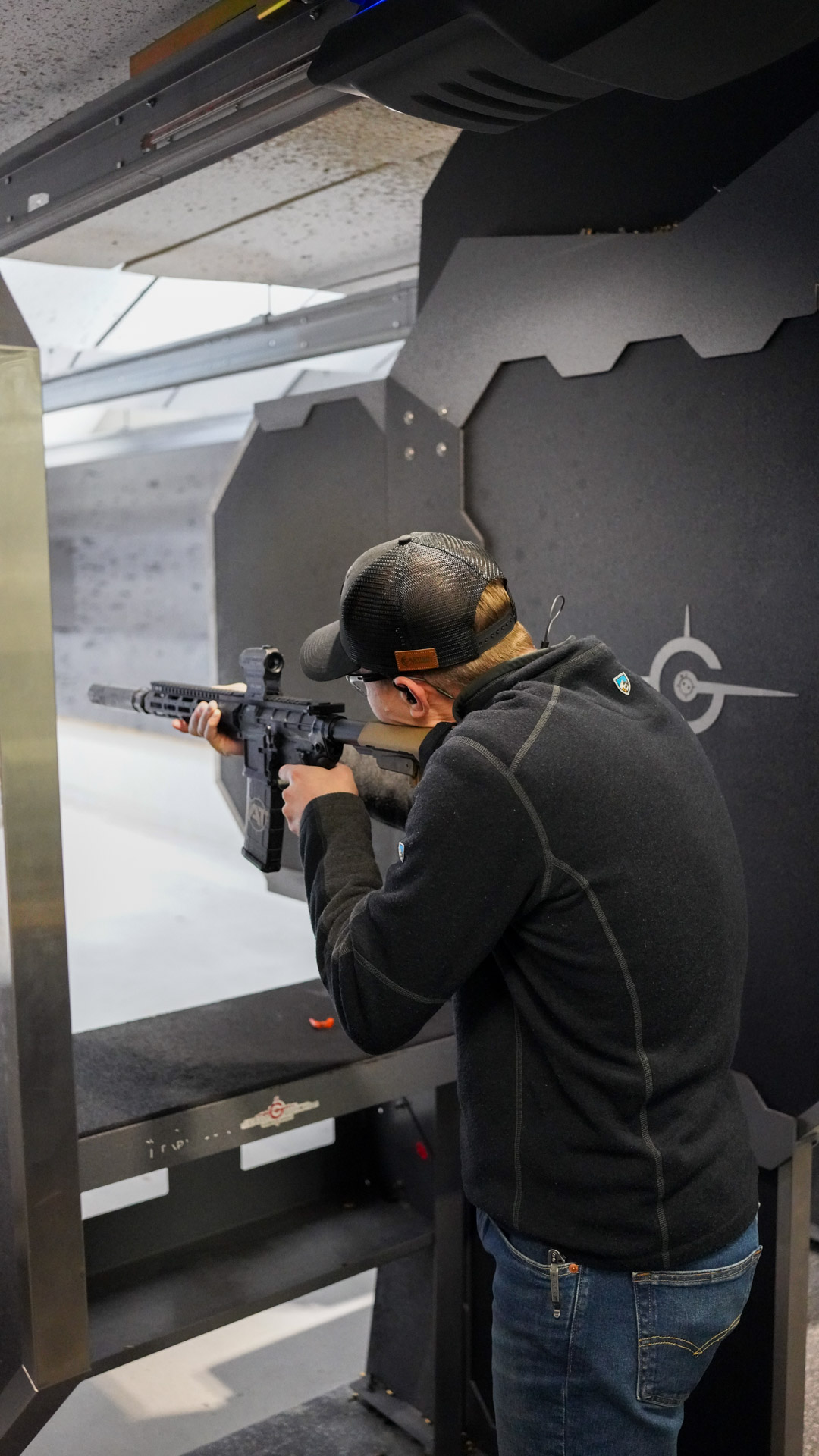
Action Target traps like the Total Containment Trap (TCT) are built for high-volume use, but every component is rated for specific ammo. Steel-core green tip routinely exceeds those limits. Instead of flattening like standard FMJ, M855 keeps its shape and momentum, hitting traps, targets, and even stall components with more concentrated force. Over time, even AR500 steel can pit, fatigue, or crack, and shooting stalls/dividers can take more abuse from increased splash and errant impacts.
Those failures aren’t cosmetic, they’re a safety problem and a budget problem. Pitted or cratered steel throws fragments unpredictably, raising the risk of ricochet and equipment failure, and repeated hits from steel-core rounds can compromise even advanced trap systems. On top of that, unapproved ammo use can void warranties, drive unplanned downtime, and force expensive repairs or replacement of traps, targets, and damaged stalls.
Outfit your range or your next training day with durable steel, paper, and cardboard targets built for real use.
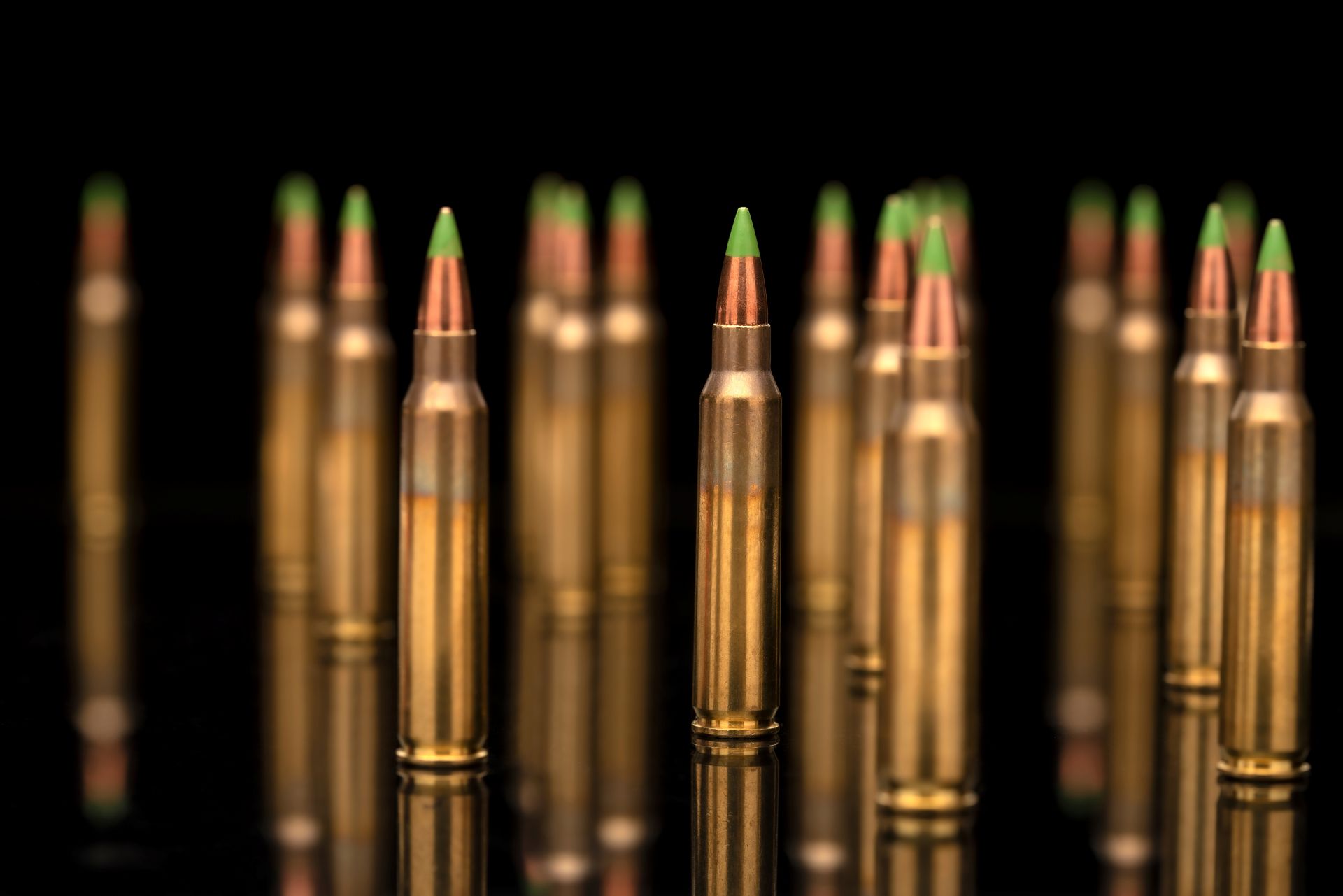
Live-fire ranges depend on predictable ballistic behavior. When ammo doesn’t behave consistently on impact, safety systems and stall design can’t do their job—and M855 complicates that equation.
Unpredictable deflection: Instead of flattening in traps or backstops, green tip can skip or deflect at shallow angles, increasing ricochet risk.
More aggressive splash on steel: The steel core is more likely to send fragments off pitted or angled steel instead of absorbing cleanly.
Higher fire risk indoors: Sparks from steel-on-steel impacts can ignite paper dust, residue, and unburnt powder in poorly maintained or older facilities.
Preventing incidents starts with understanding what you’re putting downrange. Restricting steel-core ammo like M855 is a simple way for ranges to reduce unnecessary risk to shooters, staff, and infrastructure.
Green tip ammunition policies vary widely by range type. The key factors are infrastructure, usage demands, and how much penetration the system is actually built to handle.
If you’re unsure about your range’s capabilities, consult a qualified range specialist before allowing any ammunition that exceeds standard design thresholds.
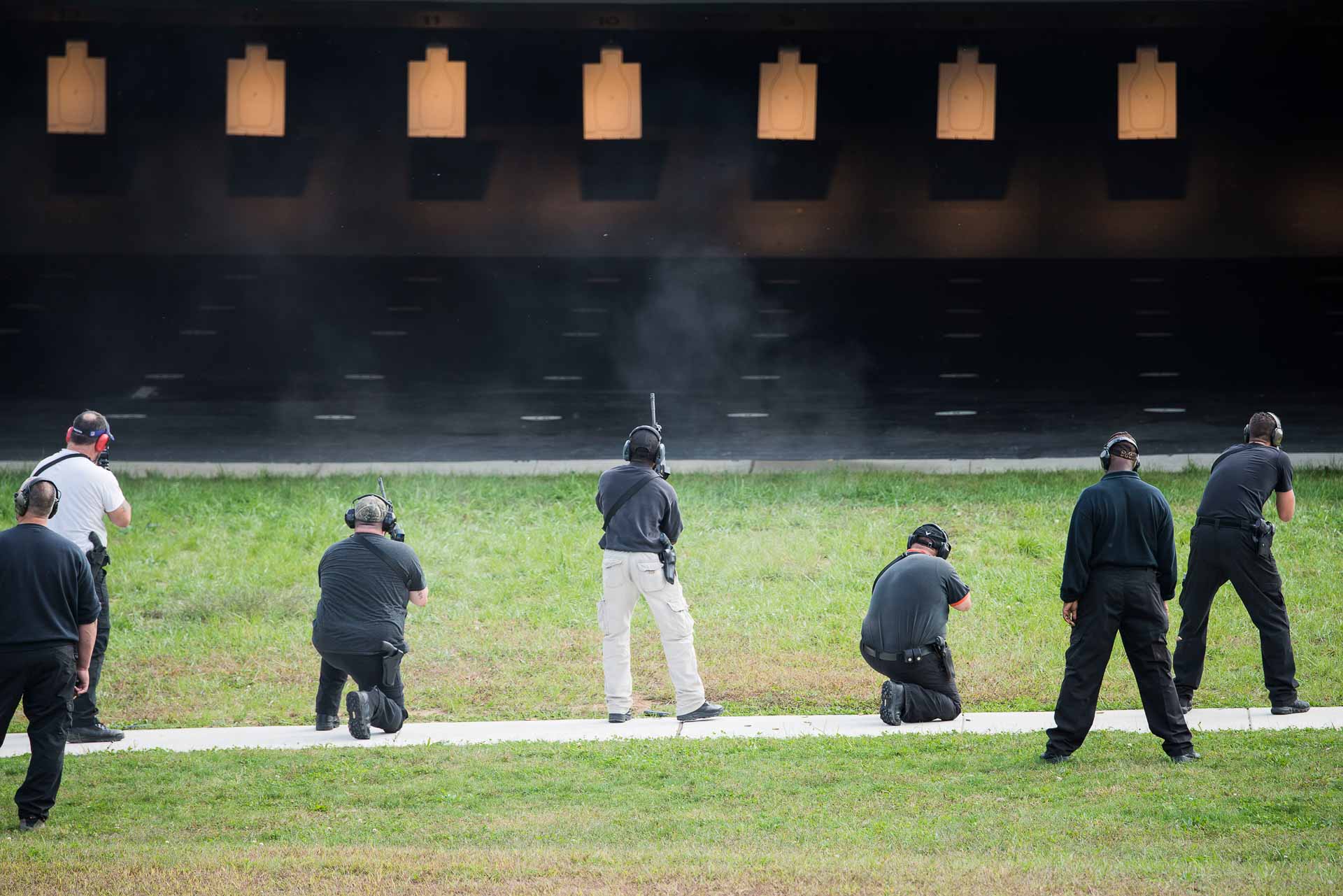
Green tip ammo has its place, but usually not on commercial or indoor ranges. Its steel penetrator core is harder on traps, targets, and stalls, and it introduces safety and operational risks that standard FMJ simply doesn’t. When your facility’s performance, safety, and lifespan are on the line, that difference matters.
Whether you’re running an existing range or planning a new build, knowing your ballistic tolerances and restricting steel-core ammo like M855 isn’t just caution, it’s responsible range management. If you’re designing or upgrading a facility, Action Target can help you engineer a range that supports the right ammunition, protects your investment, and delivers a better experience for your shooters.
Usually no. M855 was built for better performance through light barriers, not ideal terminal effect in soft targets. Most agencies prefer bonded or barrier-blind loads that control penetration and reduce risk to bystanders.
Use ammo that matches your range specs. For most indoor facilities, FMJ and especially frangible rounds are preferred—frangible is designed to break up on impact, cutting ricochet risk and making lead and debris cleanup much easier.
Tip color and headstamp help, but they’re not foolproof. A simple magnet test at the bullet tip is the most common quick check—if it sticks strongly, treat it as steel-core or steel-jacketed and follow your range policy.
Yes, but it requires traps, steel, and backstops rated for penetrator ammo, plus carefully engineered angles. Those upgrades cost more up front and over time, which is why many ranges still choose to ban steel-core.
Because it fits existing weapons, logistics, and training standards while offering better performance through light barriers. Their ranges are typically built or selected with that ammo in mind, unlike most commercial indoor facilities.
From your first question to your final shot, Action Target is your trusted partner—guiding you every step of the way.

"*" indicates required fields
"*" indicates required fields